Intro: Why materials matter in Andover, MA
Homeowners in Andover, MA need practical, weather-conscious advice when choosing materials for garage door repair. The material you pick determines durability against salt, freeze-thaw cycles, and the high humidity common in eastern Massachusetts. This guide focuses on realistic options for residential service projects, covering longevity, insulation, cost, and maintenance so you can make an informed decision.
Common materials and how they perform
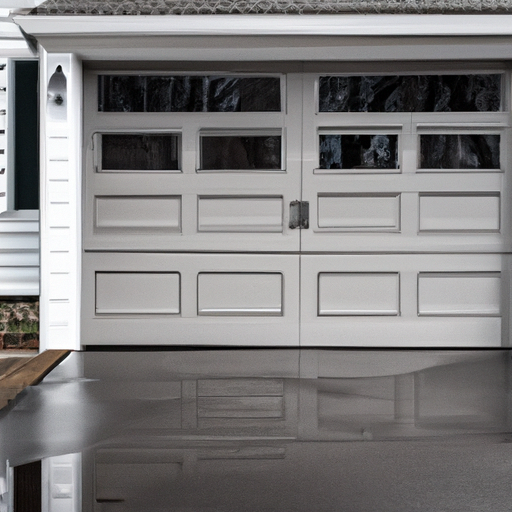
When planning garage door repair, you’ll choose among several common materials. Each has clear trade-offs for appearance, insulating value, resistance to rust or rot, and ongoing maintenance needs.
Steel
Steel is the most widely used choice for garage doors and repairs. It’s strong, readily available, and affordable. For Andover homeowners, look for galvanized or powder-coated steel to resist road salt and coastal humidity. Steel panels are easy to replace during a repair and pair well with insulation upgrades.
Aluminum
Aluminum is lightweight and resists rust, which helps in damp Massachusetts weather. It dents more easily than steel, so it’s best for single-car doors or where weight reduction helps your opener perform better. Aluminum with a thermal break performs reasonably for insulation but typically costs more than plain steel.
Wood and wood-composite
Wood offers a classic look and can be repaired or replaced in sections, but real wood requires careful sealing and yearly checks in New England’s climate. Wood-composite (engineered wood) gives the appearance of wood with better moisture resistance and lower maintenance, making it a solid middle-ground for homeowners who want a traditional style without constant upkeep.
Fiberglass and vinyl
Fiberglass and vinyl resist corrosion and are low-maintenance. They perform well in humid conditions but may become brittle in extreme cold if not formulated for New England winters. Use these materials if corrosion resistance is a primary concern and aesthetic flexibility is acceptable.
Insulation, R-values, and energy effects
Insulation is often the most impactful upgrade during garage door repair. Insulated doors reduce heat loss from attached garages and improve comfort in adjacent rooms.
Types of insulation
- Polystyrene (foam board): Affordable, common in steel doors; moderate R-value per inch.
- Polyurethane: Higher R-values and extra stiffness for door panels; better for energy savings.
- Perimeter seals and bottom gaskets: Cheap and effective at reducing drafts, especially around the garage threshold.
For Andover homes, aim for an insulated door with an R-value that suits your heating needs—R-6 to R-12 is common for attached garages. If the garage houses a workspace or is heated, choose higher R-values and ensure door repairs include professional sealing.
Durability concerns for Massachusetts
New England winters and coastal air demand deliberate choices. Here are top durability considerations for local homeowners planning garage door repair:
- Corrosion resistance: Prefer galvanized steel, powder coatings, or aluminum where road salt exposure is likely.
- Finish and repainting: Choose finishes that can withstand moisture and UV; plan for repainting intervals depending on exposure.
- Hardware quality: Replacing hinges, rollers, and tracks with stainless or corrosion-resistant hardware extends life significantly.
- Wind load ratings: For exposed locations, consider materials and designs rated for local wind loads.
Cost, timelines, and what to expect during repair
Cost and timeline vary with material and scope. A simple panel replacement can take 1–3 hours and cost under a few hundred dollars for common steel panels. More extensive work—replacing the full door with insulated or composite materials—can take a day or two and runs higher.
Typical ranges
- Minor repairs (springs, rollers, single panels): often completed same-day, lower cost.
- Partial replacements (several panels, insulation upgrades): 1 day; mid-range cost.
- Full door replacement with premium materials: 1–2 days and a higher investment, but longer useful life.
To arrange an inspection or estimate for material options and repair timelines, contact our service team. If you want background reading on maintenance and seasonal checks, our blog has short guides tailored to local homeowners.
Maintenance tips after repair
Even the best material needs periodic attention. Follow these local, actionable tips after any garage door repair:
- Rinse lower door areas each spring to remove road salt residue.
- Lubricate moving parts twice a year—before winter and after spring thaw.
- Inspect seals and weatherstripping annually; replace brittle or cracked seals immediately.
- Touch up chips in paint or coatings to prevent corrosion spots from spreading.
For follow-up service or to schedule maintenance after a repair, use our online contact form or request a service visit through our services page.
Choosing a material with resale value in mind
If you plan to sell within a few years, select materials that buyers value: durable steel with good insulation, authentic-looking wood or high-quality composites, and hardware upgrades that signal care and safety. Documentation of recent repairs and material warranties also helps during negotiations.
Short checklist before authorizing repairs
- Confirm material options and expected lifespan specific to MA climates.
- Request a clear quote that separates parts, labor, and any disposal fees.
- Ask about warranty coverage on parts and workmanship.
- Check that replacement hardware is corrosion-resistant for New England conditions.
Local considerations and permits
Most basic garage door repairs do not need town permits in Andover, MA. Structural changes—framing adjustments or changing a door opening size—may require a permit or inspection. If a permit is likely, confirm with your contractor before work begins to avoid delays.
Choosing the right materials for garage door repair blends local climate awareness with your goals for energy efficiency, appearance, and long-term cost. For a tailored recommendation, schedule an on-site inspection or estimate with a technician who understands Andover weather and residential service standards.
Frequently Asked Questions
Do garage door materials hold up in Andover winters?
Yes—if you choose corrosion-resistant steel or aluminum and use proper finishes. For wood, pick engineered woods and keep seals well-maintained to avoid moisture damage from freeze-thaw cycles.
How long does a typical repair take in the Boston suburbs?
Minor repairs like spring replacement or a single-panel swap typically take 1–3 hours. Full door replacement often completes in one business day unless custom materials are ordered.
What price range should Andover homeowners expect?
Expect a simple repair to be under a few hundred dollars; insulation or multi-panel repairs are mid-range; full door replacements with premium materials can run into the low thousands. A written estimate clarifies specifics for your job.
Are warranties common on replacement parts?
Yes—manufacturers commonly offer warranties on springs, panels, and openers. Verify both part and labor warranties before work starts, and keep warranty documentation after the repair.
Do I need a permit for garage door repair in Andover?
Routine repairs typically don’t require permits. Structural changes to the opening or framing likely do. Ask your contractor to confirm permit needs before authorizing larger projects.
Helpful local resources in Andover, MA
- Garage Door Repair Boston
- Garage Door Repair Cambridge
- Garage Door Repair Newton
- Garage Door Repair Lexington
- Garage Door Repair Wellesley
- Garage Door Repair Brookline
- Garage Door Repair Somerville
- Garage Door Repair Burlington
- Garage Door Repair Andover
- Garage Door Repair Weston
- Garage Door Repair Belmont
- Garage Door Repair Westwood
- Garage Door Repair Sharon
- Garage Door Repair Needham
- Garage Door Repair Concord
- Garage Door Repair Hingham
- Garage Door Repair Scituate
- Garage Door Repair Marblehead
- Garage Door Repair Natick
- Garage Door Repair Milton
- Garage Door Repair Acton
- Garage Door Repair Medfield
- Garage Door Repair Sudbury
- Garage Door Repair Wayland
- Garage Door Repair Hanover
- Garage Door Repair Tewksbury
- Garage Door Repair Carlisle
- Garage Door Repair Dover
- Garage Door Repair Hopkinton
- Garage Door Repair Framingham